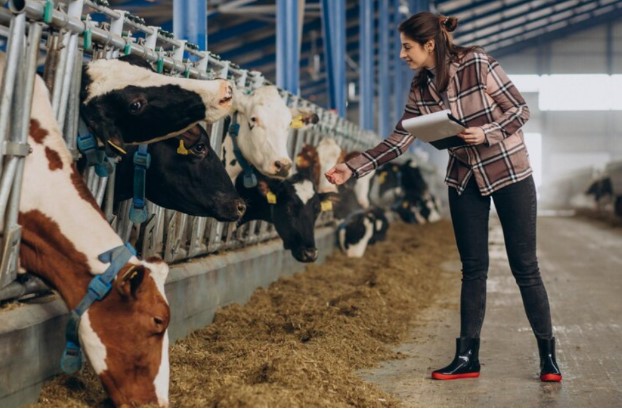
Modern farming is changing quickly as farmers face growing pressure to produce more food while using fewer natural resources. One of the most important areas of change is cattle farming, where feeding practices have a major impact on cost, productivity, and the environment. Today, cattle feeding sustainability solutions are becoming a key part of this transformation. These solutions help farmers improve animal health, reduce waste, and protect the environment while still maintaining strong production levels. As a result, cattle farming is becoming more efficient, responsible, and future-ready.
Improving Feed Efficiency in Cattle Farming
One of the biggest benefits of modern feeding practices is improved feed efficiency. Traditional feeding methods often lead to overfeeding or poor nutrient balance, which increases costs and reduces productivity. With advanced cattle feeding sustainability solutions, farmers can now provide more balanced diets that match the exact nutritional needs of cattle. This helps animals grow better while using less feed overall. It also reduces unnecessary resource use, making farming more cost-effective and sustainable at the same time.
Reducing Environmental Impact
Cattle farming has always had an environmental footprint, especially in terms of methane emissions and feed waste. However, sustainable feeding practices are helping reduce these impacts significantly. By improving digestion and feed quality, cattle produce fewer harmful emissions. In addition, better feed management reduces leftover waste that would otherwise contribute to pollution. These improvements show how cattle feeding sustainability solutions are not just about productivity but also about protecting the environment for future generations.
Enhancing Animal Health and Productivity
Healthy cattle are the foundation of successful farming. Poor feeding practices can lead to illness, slow growth, and lower milk or meat production. Modern sustainable feeding methods focus on providing balanced nutrition that supports overall animal health. When cattle receive the right mix of nutrients, vitamins, and minerals, they become stronger and more resistant to disease. This leads to higher productivity and better quality dairy and meat products. Farmers benefit from fewer veterinary costs and more consistent output, making sustainability a practical choice as well as an ethical one.
Supporting Cost-Effective Farming Practices
Rising feed prices are one of the biggest challenges for farmers worldwide. Sustainable feeding solutions help address this issue by optimizing the use of available resources. Instead of relying on excessive or low-quality feed, farmers can now use improved feed formulations and smarter feeding schedules. This reduces unnecessary expenses while maintaining or even improving production levels. Over time, cattle feeding sustainability solutions help farmers achieve better financial stability by balancing cost control with high efficiency.
Encouraging Smart Farming Technologies
Technology is playing an increasingly important role in modern agriculture. Smart sensors, data analysis tools, and automated feeding systems are now being used to monitor cattle diets more accurately. These technologies help farmers understand exactly what their animals need and when they need it. As a result, feeding becomes more precise and less wasteful. The integration of technology with cattle feeding sustainability solutions is making farming more intelligent and easier to manage, even on large-scale operations.
Conclusion
Cattle farming is undergoing a major transformation, and sustainable feeding practices are at the center of this change. By improving feed efficiency, reducing environmental impact, enhancing animal health, and lowering costs, cattle feeding sustainability solutions are helping farmers build a more productive and responsible future. As technology continues to evolve, these solutions will become even more effective, ensuring that modern farming remains both profitable and environmentally friendly for years to come.
