Choosing the right bulk linen fabric supplier is an important decision for fashion brands, garment manufacturers, interior businesses, and textile retailers. The supplier you select can influence your product quality, production timelines, pricing, sustainability claims, and customer satisfaction.
Linen is valued for its breathability, natural texture, durability, and timeless appearance. However, linen fabrics can differ significantly in fibre composition, weight, weave, finishing, colour, and performance. Before placing a bulk order, businesses should evaluate the supplier carefully and confirm that the fabric meets their technical and commercial requirements.
Understand Your Linen Requirements
Before contacting suppliers, define exactly what your business needs. A clear specification helps you compare quotations and prevents misunderstandings during production.
Consider the following factors:
- Fibre composition.
- 100% linen or a linen blend.
- Fabric width.
- GSM or fabric weight.
- Weave structure.
- Colour and finish.
- Shrinkage percentage.
- Intended end use.
- Required quantity.
- Delivery destination.
- Target price.
- Required certifications.
For example, lightweight linen may be suitable for summer shirts, scarves, and dresses, while heavier linen can work well for trousers, jackets, cushions, curtains, and home textiles. A linen-cotton blend may be preferred when you need a softer hand feel or a lower price point.
Why Linen Is Popular
Linen is made from the fibres of the flax plant. It has a naturally textured appearance and is known for its breathable structure. These qualities make it particularly popular for warm-weather fashion and relaxed lifestyle products.
Linen is commonly used for:
- Shirts and blouses.
- Dresses and skirts.
- Trousers and co-ordinated sets.
- Jackets and overshirts.
- Scarves and accessories.
- Bedding and table linen.
- Curtains and upholstery.
- Home décor products.
The fabric’s natural creasing is often considered part of its character. For brands focused on timeless design, linen can support garments that are comfortable, versatile, and suitable for repeated wear.
Check Fibre Composition
The term “linen fabric” may refer to different compositions. Some suppliers offer 100% linen, while others provide blends containing cotton, viscose, hemp, bamboo, or synthetic fibres.
Ask for the exact fibre composition and confirm that it is clearly stated on the quotation, product documentation, and final invoice.
A blend is not necessarily inferior. It may provide benefits such as:
- Improved softness.
- Better drape.
- Reduced cost.
- Additional stretch.
- Lower crease visibility.
- Easier sewing and finishing.
The appropriate composition depends on your product goals. A premium clothing label may prefer 100% linen, while a high-volume brand may select a blend to balance comfort, performance, and price.
Evaluate Fabric Quality
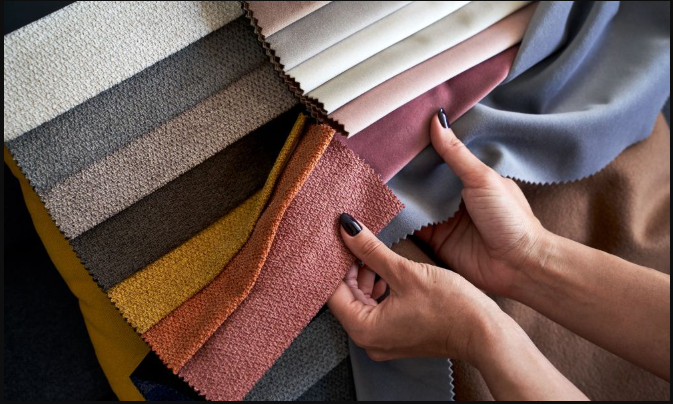
Never place a large order based only on photographs or a product description. Request fabric swatches or sample yardage before confirming bulk production.
Examine the sample for:
- Texture.
- Thickness.
- Weave consistency.
- Colour accuracy.
- Surface slubs.
- Drape.
- Opacity.
- Softness.
- Sewing performance.
- Shrinkage after washing.
- Colour fastness.
Some natural variation is normal in linen, especially in handloom or artisan-produced fabrics. However, major defects, uneven weaving, excessive yarn faults, or inconsistent width should be discussed before ordering.
Ask the supplier whether the fabric has been washed, softened, mercerised, brushed, or chemically finished. Finishing treatments can significantly affect the final appearance and feel.
Review Colour and Dyeing Options
If your collection requires custom colours, confirm whether the supplier provides stock shades, seasonal colours, or custom dye development.
Ask about:
- Pantone matching.
- Lab dips.
- Minimum quantity per colour.
- Dyeing lead time.
- Colour consistency between batches.
- Washing and rubbing fastness.
- Light fastness.
- Dyeing method.
- Chemical management.
- Wastewater treatment.
Natural and sustainable fabric claims should be supported by clear information about fibre sourcing, dyeing, processing, and finishing. A supplier should be able to explain which stages are handled internally and which are outsourced.
Investigate Sustainability Credentials
Linen is often associated with sustainability, but the environmental performance of a finished fabric depends on the entire supply chain. Farming practices, processing, dyeing, finishing, packaging, and transportation all matter.
When evaluating a supplier, ask whether they can provide relevant certifications or documentation, such as:
- OEKO-TEX certification.
- European Flax or Masters of Linen certification.
- GOTS certification for applicable organic products.
- Recycled or blended-fibre documentation.
- Chemical-management policies.
- Factory audit reports.
- Wastewater-management details.
- Traceability information.
Not every supplier will hold every certification. The important point is to verify whether the documentation applies to the specific fabric you are purchasing.
Consider Ethical Production
Sustainable sourcing also includes social responsibility. Businesses should understand how workers are treated throughout the supply chain.
An Ethical clothing manufacturer should be able to discuss responsible sourcing, worker safety, production transparency, and manufacturing standards. When a supplier also supports garment production, ask whether fabric sourcing and stitching are managed through the same production network.
Questions to ask include:
- Where is the fabric manufactured?
- Are workers protected by health and safety procedures?
- Are subcontractors used?
- Are factory audits conducted?
- How are wages and working hours managed?
- Can the supplier provide production and sourcing information?
Ethical manufacturing should be evaluated as part of the full business relationship rather than treated as a marketing statement.
Compare Minimum Order Quantities
Bulk linen suppliers may have different minimum order quantities. Large mills may require substantial production volumes, while smaller textile suppliers may offer lower quantities for independent brands and sampling.
Confirm:
- Minimum order per colour.
- Minimum order per design.
- Minimum order for custom weaving.
- Sample order availability.
- Reorder quantities.
- Stock availability.
- Production capacity.
If your brand is testing a new collection, choose a supplier that allows a small trial order. This reduces financial risk and helps you evaluate sales demand before placing a larger commitment.
Analyse Pricing Carefully
Compare supplier quotations using the same specifications. A cheaper price may reflect a lower GSM, narrower width, different fibre composition, unfinished fabric, or lower-quality dyeing.
Request a complete quotation that includes:
- Price per metre or yard.
- Fabric composition.
- Width and GSM.
- Dyeing or finishing charges.
- Sampling costs.
- Packaging.
- Taxes.
- Shipping.
- Export documentation.
- Payment terms.
Also ask whether prices change according to quantity. Some suppliers offer different rates for sample, small-batch, and bulk orders.
Check Lead Times and Logistics
Reliable delivery is essential for seasonal fashion collections and production schedules. Request separate timelines for sample development, colour approval, bulk manufacturing, quality inspection, and dispatch.
Discuss shipping terms such as EXW, FOB, CIF, or DDP, depending on your location and purchasing arrangement. Clarify who handles freight, insurance, customs documentation, and import duties.
A dependable supplier should communicate promptly if there are delays caused by raw-material availability, dyeing, weather, production capacity, or transportation.
Review Communication and Support
Good communication is especially important when buying fabric internationally or placing a customised order. Evaluate how quickly the supplier responds and whether the team provides clear technical information.
A reliable supplier should be able to:
- Answer specification questions.
- Provide accurate samples.
- Explain quality issues.
- Share realistic lead times.
- Confirm order details in writing.
- Provide shipment updates.
- Support repeat orders.
Poor communication during the sampling stage may create larger problems during bulk production.
Explore Linen Fabric Options
Businesses searching for bulk linen fabric can compare different weights, textures, colours, and constructions before selecting the right material for their product range. Suppliers such as Suvetah can support this evaluation process by helping businesses explore suitable fabric options based on their specific product and sourcing requirements.
Create a fabric evaluation sheet and record details such as composition, GSM, width, colour, sample results, price, MOQ, lead time, certification, and supplier notes. This makes it easier to compare multiple options objectively.
Final Thoughts
The right bulk linen fabric supplier should offer consistent quality, transparent specifications, reliable delivery, fair pricing, and responsible production practices. Do not select a supplier based only on the lowest quotation. Evaluate samples, test shrinkage and colour fastness, confirm certifications, review minimum order quantities, and understand the complete cost.
A careful sourcing process helps businesses avoid production delays, quality disputes, and inaccurate sustainability claims. With the right supplier relationship, linen can become a dependable foundation for breathable apparel, durable lifestyle products, and thoughtfully designed collections.
